


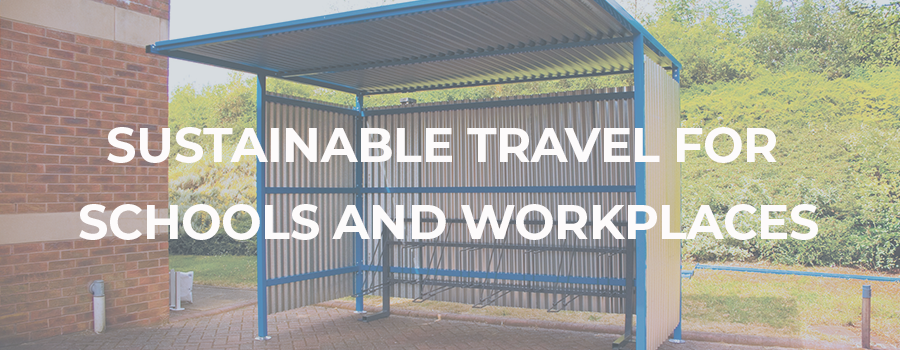
Bike Week is a great time to promote cycling as a simple and practical way for sustainable travel. For schools and workplaces, it offers a useful chance to encourage healthier habits, reduce car use, and support a more active daily routine.
Cycling is one of the easiest forms of exercise to build into everyday life. A short ride to school or work can help people start the day feeling more awake and focused, without needing extra time for a workout. That makes it a realistic option for pupils, staff, and commuters who want to stay active.
There are also wider benefits to choosing a bike over a car for shorter journeys. Cycling produces no direct emissions, which helps reduce environmental impact. It can also ease congestion around busy sites, improve air quality, and support longer term sustainability goals.
Why schools and workplaces should support cycling
Schools and workplaces can play an important role in making cycling more appealing. When people know there is a safe place to store their bike, they are more likely to consider cycling as part of their routine. That is why cycle storage is such an important part of encouraging sustainable travel.
A dedicated cycle shelter gives users a secure and convenient place to leave their bikes during the day. It helps protect bicycles from weather damage and reduces concerns about theft or damage. For schools, this can be especially valuable for staff and older students. For workplaces, it can support employees who want to commute by bike but need reliable storage on site.
Cycle facilities can also help keep entrances, pathways, and shared areas clear. That creates a tidier and more organised site, which is useful in busy environments where access and safety matter. A well planned shelter can make cycling feel like a normal and supported choice rather than an added inconvenience.
For organisations looking to improve their site facilities, the Fortis Cycle Shelter with Cycle Rack provides a practical solution. It combines shelter and storage in one design, making it easier to offer secure bike parking on site.

Supporting healthier habits
Bike Week is not only about one week in June. It is also a chance to encourage longer term behaviour change. When schools and workplaces make cycling more convenient, more people are likely to use it regularly.
That can lead to several benefits over time. Regular cycling helps people stay active, supports mental wellbeing, and can reduce reliance on cars for short local journeys. It can also help create a more positive culture around health and sustainability.
There is a broader community benefit too. When schools and businesses encourage cycling, they help normalise sustainable travel. That can influence how people travel beyond the school gate or workplace, creating a wider ripple effect.
A simple step with lasting value
Promoting cycling does not have to be complicated. Small changes, such as providing cycle friendly facilities, can make a real difference to how people travel.
By supporting active travel during Bike Week, schools and workplaces can help staff, pupils, and visitors make healthier and more sustainable choices. A secure cycle shelter is a straightforward way to show that cycling is welcome and supported on site.
Sustainable travel works best when it is safe, convenient, and easy to use. With the right facilities in place, Bike Week can help build habits that last far beyond 8th to 14th June.