


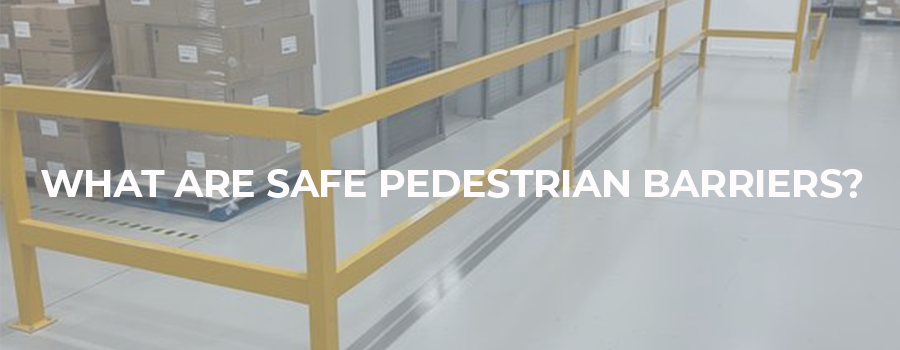
Safe pedestrian barriers are physical barriers that help separate people from moving vehicles, machinery, and other hazards. In warehouses, factories, and busy industrial sites, they play an important role in reducing the risk of accidents and keeping walkways clearly defined. When used properly, they help create a safer and more organised workplace for staff, visitors, and contractors.
The main purpose of a pedestrian barrier is to make safe routes obvious. In areas where forklifts, pallet trucks, and delivery vehicles are moving around, it is not always enough to rely on signs or floor markings alone. A physical barrier adds another level of protection by creating a clear separation between pedestrians and traffic routes. That separation can make a big difference in environments where people and vehicles operate in close proximity.
Safe pedestrian barriers are especially useful in warehouses because these sites often have a lot of movement and limited space. Staff may be walking between storage areas, picking products, loading vehicles, or accessing different parts of the building throughout the day. Without proper segregation, there is a greater chance of someone accidentally stepping into a dangerous area. Barriers help prevent that by guiding people along safer paths.
Why are barriers important?
A safe pedestrian barrier does more than just block off an area. It also helps shape behaviour. When people can clearly see where they should and should not walk, they are more likely to follow the intended route. That can reduce confusion, improve site discipline, and help everyone move around the workplace more confidently.
They are also useful for protecting vulnerable areas. For example, barriers can be installed around loading bays, machinery zones, storage locations, and vehicle access points. This helps stop pedestrians from entering areas where the risk of injury is higher. In a busy warehouse, even a small mistake can have serious consequences, so having the right barriers in place is a practical step toward reducing risk.
Another benefit is that pedestrian barriers can improve the overall layout of a site. They create structure and make work areas feel more controlled. This can be particularly helpful for new starters, temporary workers, and visitors who may not be familiar with the site. When walkways are clearly separated, it is easier for people to understand where they should go and how the space is organised.
What makes a barrier safe?
Not every barrier is suitable for every environment. A safe pedestrian barrier needs to be strong enough for the level of risk in the area where it is used. In a warehouse, that usually means a barrier that can withstand daily use and, in some cases, accidental impact. It should be designed for industrial conditions rather than light or decorative use.
Visibility is also important. A barrier should be easy to see at a glance so that pedestrians and vehicle operators both understand its purpose. Bright colours, clear positioning, and consistent placement all help make barriers more effective. If a barrier blends into the background, it is less likely to do its job properly.
Placement matters too. Barriers should be installed where they will have the greatest effect, such as along walkways, at access points, and around hazardous zones. The goal is to create a clear and uninterrupted route for pedestrians while keeping them away from traffic movement. In many workplaces, barriers work best when used alongside signs, floor markings, and good site management.
Choosing the right solution
When choosing pedestrian barriers, it is important to think about the specific needs of the site. A small warehouse may need simple walkway separation, while a larger or busier site may require a more robust barrier system. The type of vehicles on site, the level of foot traffic, and the layout of the building all play a part in deciding what is most suitable.
It is also worth thinking about durability and maintenance. A good pedestrian barrier should provide long-term value and continue to perform well in a demanding environment. If a barrier is damaged easily or becomes difficult to see over time, it may no longer offer the protection it was intended to provide.
For businesses looking to improve safety in busy work areas, warehouse barriers are a practical and effective option. They help create safer pedestrian routes, reduce the chance of accidents, and make it easier to manage movement around the site. In workplaces where safety matters every day, that kind of support is essential.
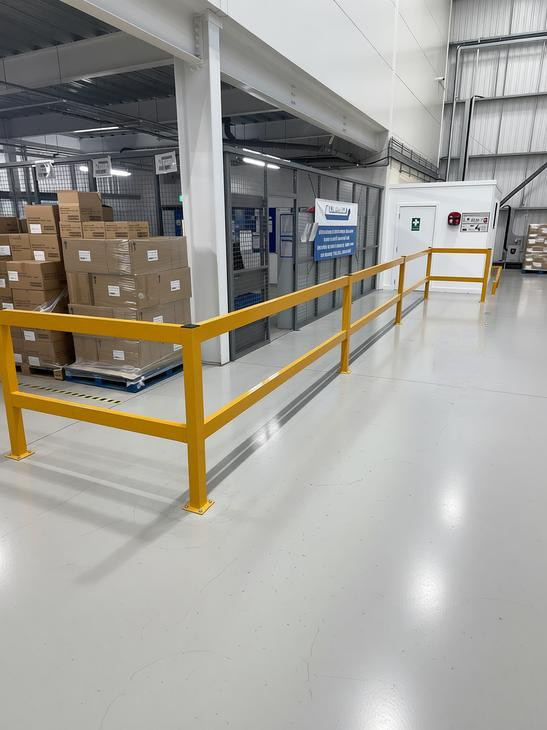
A practical safety measure
Safe pedestrian barriers are a simple but important part of workplace safety. They help separate people from vehicles, define walkways, and reduce the risk of accidents in busy environments. In warehouses and industrial sites, that protection can make a real difference to day to day safety and site organisation.
By choosing the right barrier and placing it correctly, businesses can create safer conditions for everyone on site. It is a straightforward measure, but one that supports better control, better awareness, and a safer working environment overall. Pale pedestrian barriers are also a key part of warehouse safety and help businesses meet their safety responsibilities.