


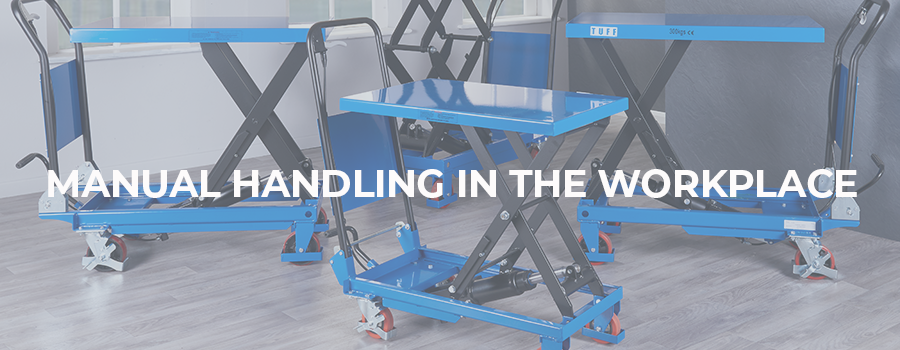
Manual handling is one of the most common causes of workplace injuries in the UK. According to the Health and Safety Executive (HSE), hazardous manual handling accounts for a significant proportion of work-related musculoskeletal disorders every year.
The good news is that many manual handling injuries are preventable. By using the right equipment such as pallet trucks and scissor lift tables, you can dramatically reduce strain on your team, improve productivity, and stay compliant with UK health and safety regulations.
What Is Manual Handling?
Manual handling refers to any activity that involves lifting, lowering, carrying, pushing, pulling, or supporting a load by hand or bodily force. This includes moving boxes, pallets, or drums, loading and unloading vehicles, positioning materials on workbenches or production lines, and transferring items between storage areas.
While some handling is unavoidable, the HSE recommends avoiding hazardous manual handling wherever reasonably practicable. When it cannot be avoided, employers must assess the risk and reduce it to as low as reasonably practicable.
The Legal Requirements: What Employers Need to Know
Under the Manual Handling Operations Regulations 1992 (as amended), employers have three key duties. First, avoid hazardous handling, so far as reasonably practicable. Second, assess the risk of injury from any hazardous handling that cannot be avoided. Third, reduce the risk of injury to as low as reasonably practicable.
This means providing training, suitable equipment, and safe working procedures. It also means ensuring equipment is properly maintained and fit for purpose.
For full guidance, visit the HSE manual handling page.
Why Manual Handling Equipment Matters
Manual handling injuries do not just harm your team. They cost your business. Absences, reduced productivity, and potential compensation claims add up quickly.
Investing in handling equipment helps you reduce injury risk by minimising bending, twisting, and heavy lifting. Improve efficiency by moving loads faster with less physical effort. Helping you stay compliant by meeting HSE requirements and demonstrating due diligence. It also boosts morale by showing your team you prioritise their wellbeing.
Two Essential Tools for Safer Manual Handling
Pallet Trucks
If your workplace receives or moves palletised goods, a pallet truck is essential. These simple yet effective tools allow one person to move heavy pallets safely and efficiently, without manual lifting.
Key benefits include reduced strain on backs, shoulders, and arms. They speed up loading, unloading, and internal transport. They are suitable for wooden and plastic pallets in warehouses and workshops. Their compact design fits tight aisles and doorways.
Pallet trucks are best for receiving deliveries, moving stock between storage areas, loading vehicles, and order picking.
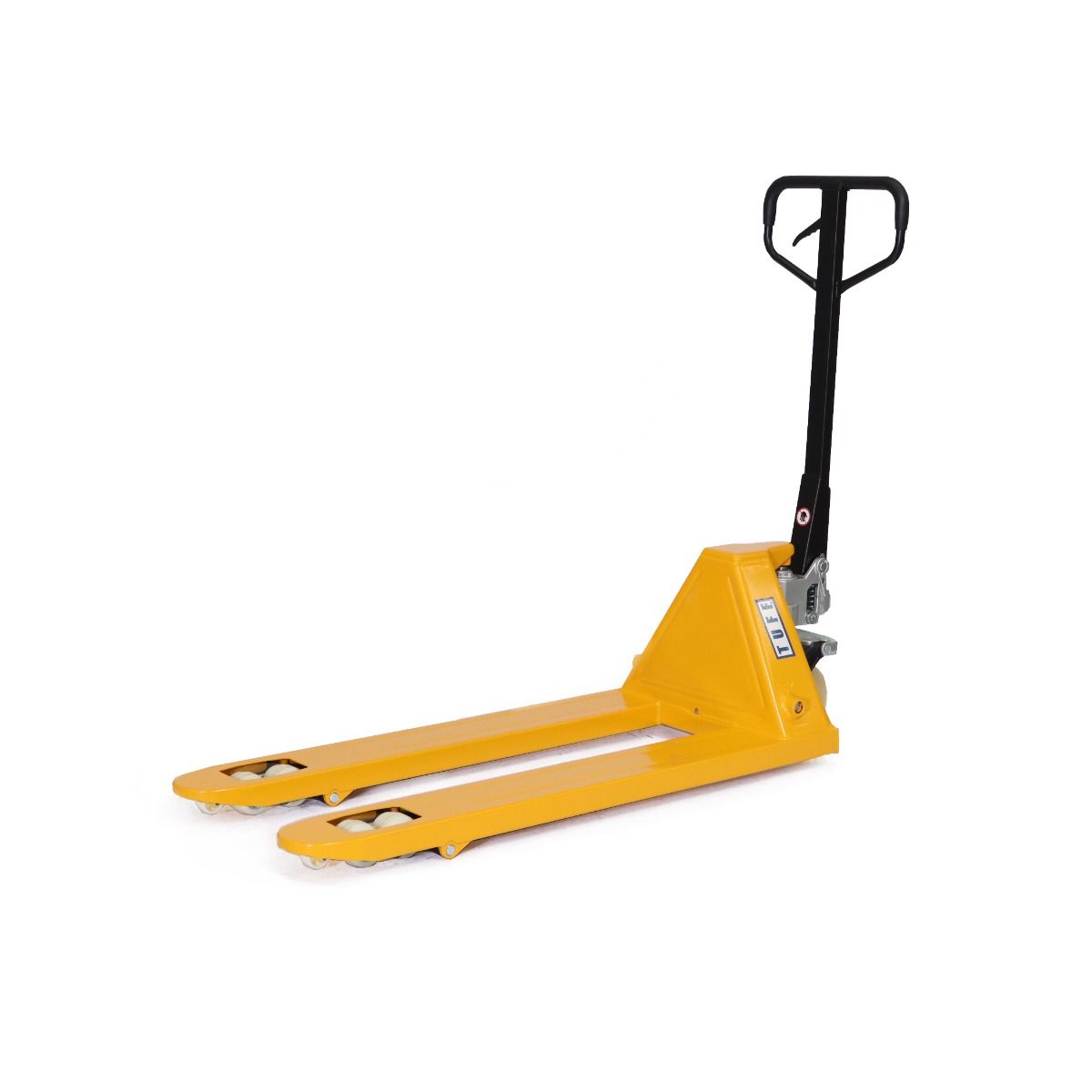
Explore our range of pallet trucks for reliable, cost-effective manual handling solutions.
Scissor Lift Tables
Scissor lift tables take manual handling safety to the next level. These hydraulic or manual platforms raise and lower loads to the best working height. This removes the need for repeated bending, stooping, or overhead lifting.
Key benefits include adjustable height for ergonomic working positions. They handle heavy loads up to 500kg or more in some models. They reduce fatigue and repetitive strain injuries.
Scissor lift tables are best for assembly lines, packaging stations, machine loading, order picking, and any task requiring precise height positioning.
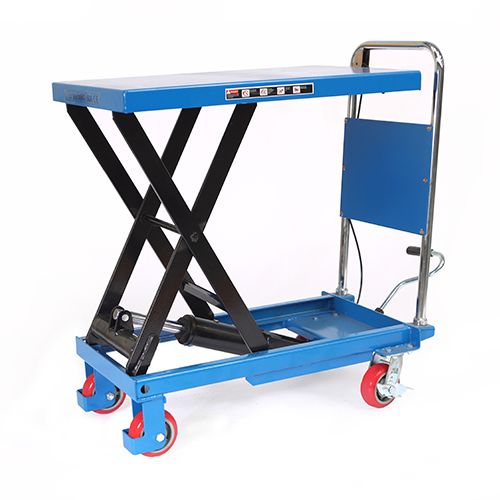
Discover our scissor lift tables for safer, more efficient material handling.
Good Manual Handling Technique: What Your Team Should Know
Even with the right equipment, training is essential. The HSE recommends the following good handling techniques. Think before lifting by planning the lift, clearing obstructions, and using handling aids where possible. Keep the load close by holding loads near waist level and close to your body. Adopt a stable position with feet apart and one leg slightly forward for balance. Avoid twisting by turning your whole body, not just your back. Move smoothly with no jerking or snatching to keep motions controlled. Know your limits by not lifting more than you can safely manage and asking for help if needed.