



As Leading UK Safety Supplier’s we understand the importance of leak and spill prevention in every workplace. In support of World Day for Safety and Health at Work, we are going to run you through the common causes, prevention, and best solutions to promote a safer work environment.
Figures show that 740 of injuries recorded last year were due to hazardous substances – including 438 chemical burns. This is a 6.57% increase from the previous year, proving that extra vigilance is required.
Whether your working on land or in water, spills can happen across all industries as hazardous liquids are spread across a wide range of everyday items that can often go overlooked. It is vital that compliance and workplace protocol is followed when storing hazardous items to meet CoSHH Regulations. This stands for Control of Substances Hazardous to Health, under HSE Regulations.
Hazardous substances can include everyday items such as:
- Aerosols
- Cleaning Agents e.g Bleach
- Vapours including paints and fuels
- Chemicals
- Dangerous Gases
- Solvents such as acetone and white spirts
Common Causes of Hazardous Spills & Leaks
In a busy workplace, there can be many distractions and corners cut, which lead to spills and leaks occurring. Let’s run through some of the most common causes to help you workplace.
1. Equipment Failure
- Ageing pipelines or hoses
- Corroded storage tanks
- Faulty valves or seals
2. Human Error
- Not following proper procedures
- Overfilling containers
- Incorrect connections
3. Poor Maintenance Practices
- Lack of inspections
- Delayed repairs
- Inadequate testing programs
- Lack of training or signage
4. Improper Storage
- Unsecured containers
- Incompatible chemical storage
- Exposure to extreme temperatures
- Lack of lockable storage
Staying Compliant
It is important to follow protocol in order to stay compliant with regulations. Therefore, we advice risk assessments are to be carried out to ensure all potential hazardous risks are considered. Moreover, we advice employees and fully trained to deal with hazardous leaks and spills. In addition, storage should be lockable with authorised personnel access only.
In addition, regular checks must be carried out to check the condition of hazardous storage. These regular checks ensure that no leaks or spillages have occurred, to make sure if this does occur, leaks are dealt with promptly.
For additional help and resources, please check out the HSE website for everything leak and spill prevention, for a safer workplace.
Ways to Prevent Spills & Leaks
Following important CoSHH protocol is the best way to prevent spills and leaks with clear warning labels on storage. This allows easy identification and warning to unauthorised users to prevent tampering and loss of hazardous liquids.
Choose secure storage with built-in sumps, which ensures that if a leak does occur, your storage can handle it. This prevents spills from leaking outwards, causing potential injury. We have many CoSHH cabinets with sump capacities up to 14 Litres for our larger hazardous cupboards. This prevents leaks from overspilling, for an easy clean-up with liquids in a confined space for use of absorbents.
Choosing the right hazardous storage to suit your workplace needs. For example, if you’re working across many departments a mobile cabinet may be the best option. In comparison, if you’re working from one main site a cupboard is more ideal with a designated space. Moreover, if you’re in-between sites a hazsafe and flamsafe site security box is more ideal, as it can used in van transport or on site with lockable features.
Solutions for Leaks & Spills
As key safety suppliers, we have many specialist products to deal with leaks and spills with some additional essentials to improve health and safety in the workplace. Here’s some of our non-negotiables for leak and spill prevention:
Spill Kits & Absorbents:
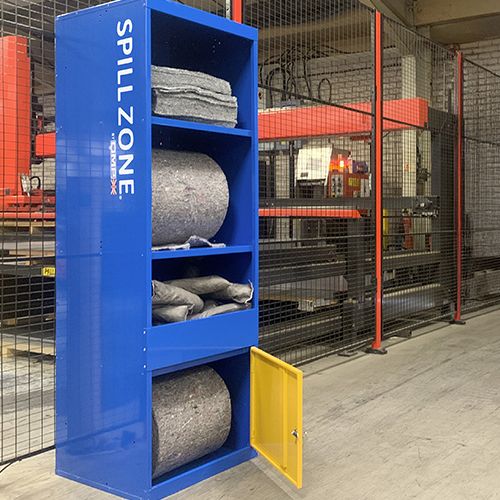
We advise absorbents to be kept on-site to deal with any spills. This can be on hand sheets, socks and ecomats, to soak up liquids. If you work with many hazardous liquids, we recommend a dedicated SpillZone Absorbent Station. This makes absorbents more accessible in a designated space for employees to react to spills instantly.
Hazardous Storage Cabinets:
We stock a full range of hazardous cabinets to provide secure storage to meet CoSHH Regulations. Our cabinets and cupboards are available in a range of sizes, featuring shelves and free warning labels included. Furthermore, we offer Agrochemical, Acid & Alkali, Flammable and Grey CoSHH Cabinets plus much more.
First Aid Supplies:
Ensure you have the correct First Aid kits and Supplies for your workplace. We offer many different kit options, with our most common choice being the Comprehensive First Aid Point, including a first aid kit, eyewash kit and biohazard kit. In addition, we offer an Emergency Eye Care Station with wall fixing and mirror for eye care in the workplace.
PPE:
We offer many personal protective equipment options depending on your environment, including gloves, PPE storage, eye protection, work clothing, masks, signage and fire protection. This can protect employees from contact with skin, eyes and more.
Drench showers:
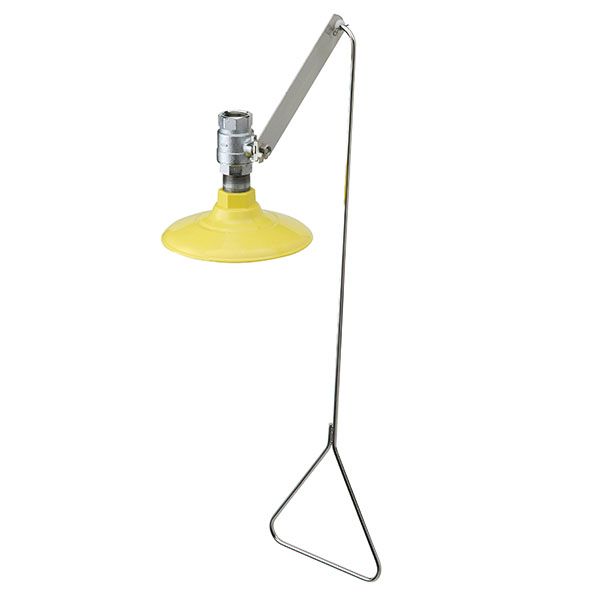
These are ideal for washing down in emergency situations and can be located on walls or ceilings. The drench shower flushes employee’s body with a high volume of water to reduce injury from hazardous chemical spills, corrosive substances or fires. They are often required in factories, laboratories, and more, and best to be situated within 10 seconds of a hazard area.
Disposal of Hazardous Material
Lastly, you must dispose of hazardous waste, including chemicals, oils, batteries and asbestos properly. It cannot be put in regular waste bins. We also recommend the use of spill kits with bags included to dispose of absorbents easily. Moreover, it is important that this waste does not build up, and is regularly disposed of, to be treated.
Read here for full emergency response, spill control and disposal.